The heavy cedar door creaks open just as it did fifty years ago, revealing a sun-drenched courtyard where the scent of orange blossom still lingers in the air. For generations, this riad stood as a silent witness to family celebrations, whispered prayers, and the rhythm of medina life. Now, as international interest surges, finding a property that hasn’t sacrificed its soul to modern convenience is no longer just about location or price-it’s about authenticity. In 2026, the true value lies deeper than surface appeal.
The pillars of value in the 2026 riad Marrakech medina Mouassine authentic restoration buyers market
Defining architectural integrity in heritage riads
What separates a genuine riad from a stylized imitation isn’t just aesthetics-it’s structural truth. Properties that retain original tadelakt plaster, hand-carved cedar beams, and traditional zellige tilework hold an intrinsic value that resonates with discerning buyers. These aren’t decorative flourishes; they’re markers of craftsmanship that can’t be replicated without significant investment. When these elements remain intact, the building preserves its historical continuity-a key factor in long-term valuation.
Why Mouassine remains the gold standard for buyers
Situated in the heart of the medina, Mouassine isn’t just geographically central-it’s culturally symbolic. Its proximity to the Grand Souk, the historic mosque, and the famed fountain adds layers of convenience and prestige. Properties here benefit from consistent foot traffic and visibility, making them resilient to market fluctuations. For international investors, a riad in Mouassine represents more than a home; it’s a stake in the living heritage of Marrakech. The area’s protected status also means future developments won’t compromise its character.
Modern comforts meets ancestral design
Today’s luxury doesn’t mean abandoning tradition. The most successful restorations integrate discreet underfloor heating, energy-efficient glazing, and subtle soundproofing without altering the riad’s essence. Imagine temperature-controlled comfort beneath centuries-old terracotta floors, or Wi-Fi routed through hand-chiseled stone walls. The balance lies in respecting the original layout-preserving the central patio, maintaining room proportions, and avoiding structural cuts that disrupt airflow and light. When done right, modernization enhances, not erases.
| Criteria | Pure Restoration | Modern Renovation |
|---|---|---|
| Heritage value | High - retains historical authenticity | Low to medium - often sacrifices original features |
| Maintenance cost | Moderate - uses traditional, durable materials | Higher - modern systems may require frequent updates |
| Tourism yield | Strong - appeals to premium experiential travelers | Variable - depends on location and branding |
For those looking to preserve this heritage while securing a sound investment, the best approach is often to buy a riad in Marrakech that already exhibits these rare architectural features.
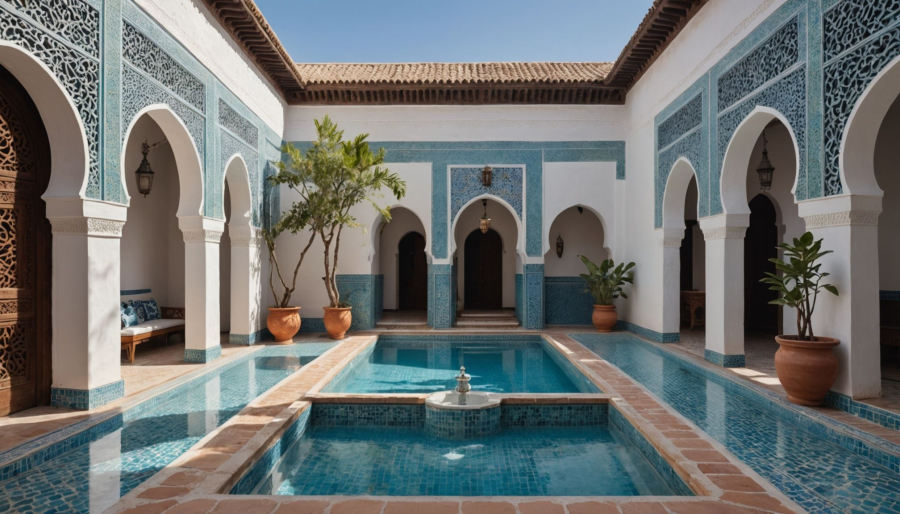
Evaluating the Marrakech property market for traditional homes
Projected investment in riads for the coming decade
The allure of the medina continues to grow, with authentic riads consistently outperforming contemporary builds in terms of appreciation. While exact figures vary, market observers note that fully restored properties in prime zones like Mouassine command premiums of 20-30% above average. This isn’t speculation-it reflects a global shift toward experiential ownership, where buyers seek homes with stories, not just square meters.
Rentals for high-end short-stay guests remain robust, particularly in spring and autumn. Unlike generic apartments, a well-maintained riad offers a narrative that guests are willing to pay for. And for long-term owners, the emotional return-waking up to the call to prayer echoing across rooftops-carries a weight no spreadsheet can measure. The market isn’t just stable; it’s evolving toward deeper cultural appreciation.
The buying process for riads: a foreign buyer guide
Navigating Melkia vs Titled properties
One of the most critical decisions for foreign investors is the type of ownership. Properties with a Titre Foncier (land title) offer full legal clarity, transferability, and bankability. In contrast, Melkia deeds, while historically common, reflect shared or ancestral ownership and can complicate sales. Though some Melkia properties are legitimate, they require extensive due diligence and may not qualify for financing or resale under international standards.
Technical audits before closing the deal
Older structures demand scrutiny. Hidden moisture in load-bearing walls, compromised roof terraces, and outdated plumbing are common challenges. A thorough inspection should include:
- Humidity mapping in ground-floor walls
- Structural assessment of the central courtyard’s foundation
- Review of drainage systems beneath the patio
- Verification of electrical wiring compatibility with modern safety codes
Choosing the right local expertise
Not all agents are equipped to handle medina-specific nuances. The ideal advisor understands the architectural language of riads-from the function of the maqsoura to the significance of courtyard orientation. They should have vetted networks of notaries, surveyors, and artisans familiar with heritage compliance. This isn’t a transaction you navigate alone; it’s a partnership built on trust and specialized knowledge.
Essential renovation tips for an authentic finish
Working with Master Maalems
The soul of a riad lives in the hands of its craftsmen. Master Maalems, the traditional artisans of Marrakech, are trained in techniques passed down through generations. Whether restoring Zouaq (hand-painted cedar wood) or assembling intricate zellige mosaics, their work ensures authenticity. Hiring them isn’t just about quality-it’s about continuity. Projects guided by Maalems often require more time, but the result is a home that breathes with historical integrity.
Energy efficiency and sustainable materials
Ironically, many traditional elements align perfectly with modern sustainability goals. The 30-60 cm thick clay walls provide natural thermal mass, keeping interiors cool in summer and warm in winter. Reusing reclaimed wood, repurposing old doors, and installing solar water heaters discreetly on rooftops are all ways to honor the past while meeting current standards. These aren’t retrofits-they’re respectful evolutions.
- Preserve the central patio’s open-air status for natural light and ventilation
- Use tadelakt instead of ceramic tiles in bathrooms and hammams
- Restore original cedar doors rather than replacing them with new wood
- Repurpose antique copper fixtures for sinks and taps
- Maintain the traditional floor height of the Bhou alcove to preserve spatial harmony
Maximizing tourism yield through historical charm
The demand for high-end guest house boutiques
Travelers in 2026 aren’t just booking accommodations-they’re curating experiences. A riad that retains its original layout, craftsmanship, and atmosphere offers something hotels can’t replicate: intimacy with history. Guests pay not just for a room, but for the privilege of dining under a carved wooden ceiling or soaking in a tadelakt-lined hammam. This experiential premium translates directly into higher nightly rates and longer booking windows, particularly for properties marketed as “living heritage” stays.
Property management for international owners
Running a riad from abroad requires structure. A reliable local manager oversees daily operations-staff coordination, guest check-ins, and maintenance scheduling. Essential roles include a housekeeper, a cook (for full-service stays), and a technician for plumbing and electrical systems. Seasonal deep cleaning and pre-winter waterproofing are non-negotiable. Investing in a trusted management team ensures the property remains in peak condition and guest satisfaction stays high, protecting both reputation and revenue.
Common questions for Marrakech riad buyers
Can I convert a smaller dars into a modern apartment instead?
Yes, compact dars are increasingly being transformed into intimate urban residences. These conversions work best when they retain key architectural features like interior courtyards or original woodwork. The trend supports sustainable reuse of historic structures while adapting them for contemporary living standards in the medina.
What are the latest sustainability requirements for medina renovations in 2026?
While strict building codes apply less in the medina, best practices now include integrating solar water heaters, using rainwater harvesting systems, and installing gray water recycling for garden irrigation. Many buyers also prioritize natural ventilation and thermal mass over air conditioning, aligning with eco-conscious tourism trends.
I am looking for my first property in Morocco; is a riad too complex?
It can be, but it doesn’t have to be. With the right support-especially a real estate advisor experienced in medina properties and a reliable legal team-first-time buyers can navigate the process smoothly. Starting with a fully restored riad reduces initial complexity and allows time to learn the rhythms of ownership.
What legal protections exist against structural defects in older medina buildings?
Buyers are protected through notarized sale agreements that include disclosure clauses. A technical survey conducted before signing can identify major issues. Additionally, working with a notary ensures all title checks and heritage compliance documents are verified, minimizing the risk of post-purchase disputes.
